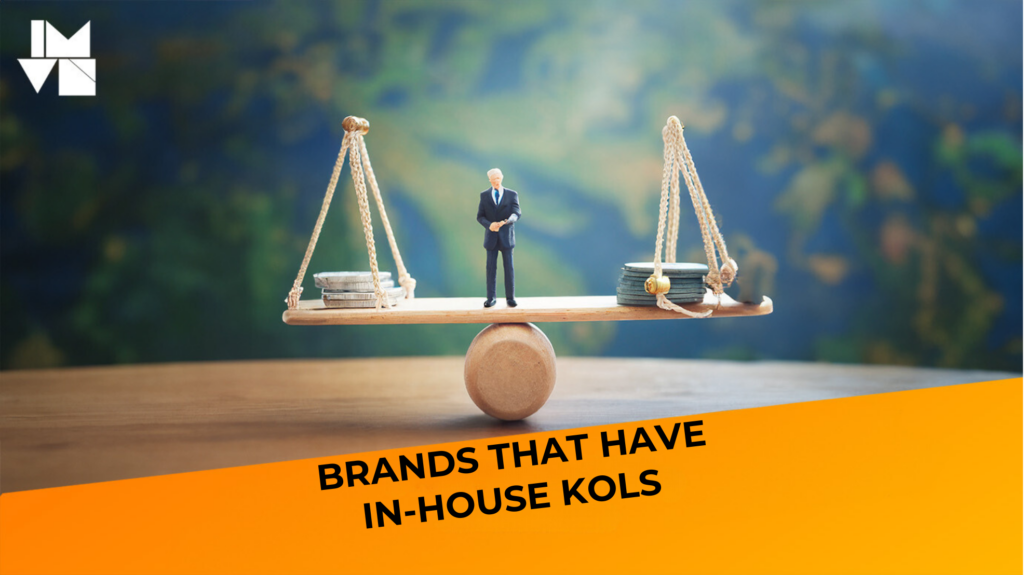
The idea of building an in-house KOL is attractive. A company gains a recognisable person who understands the product and is available without a new creator search for every campaign. But if the model is treated mainly as a source of cheaper content, the largest costs are easily missed: employee time, training, governance and the risk created when a brand becomes closely associated with one individual.
An in-house KOL can become a long-term asset. It can also become an expensive commitment when the wrong person is selected, the role is unclear or customer trust depends too heavily on a single face.
This is an investment in people, not free content
Even when the participant is already an employee, every article or video requires preparation, production, editing and approval. During that time, the person is not doing the usual specialist work. If this resource is not planned, the programme will soon conflict with the objectives of the employee’s department.
Training, presentation support, comment management and difficult situations also carry a cost. A strong specialist may be uncomfortable on camera, while a confident speaker may not recognise the limits of what can be disclosed. The company has to help both abilities develop.
The arrangement with the employee should be clear. Is the work part of the main role? How will it be recognised? Where may the image be used? What happens if the person changes position or leaves? These questions are much harder to settle after the channel has become valuable.
The long-term opportunity comes from knowledge and proximity
An internal voice knows details that an outside creator cannot easily reproduce. Employees can explain a process, describe small realities of the job and answer questions from direct experience. When the person is well chosen, the brand feels less distant and the audience sees the people behind the product.
For recruitment, an employee may help applicants understand the workplace more clearly than a formal vacancy page. For a technical product, an internal specialist can explain the reason behind a design decision. In retail, an operator may recognise situations customers repeatedly face. The value lies in this knowledge, not in asking an employee to repeat advertising claims.
Consistent work can also create a body of material used by several departments. A clear explanation may support a sales conversation, training or an event. The uses should be agreed in advance so the participant knows where their image and words may appear.
The largest risk is tying the brand too closely to one person
As a person becomes more visible, customers may remember the individual before the company. That is not automatically a problem, but the brand becomes vulnerable if the employee leaves, changes position or becomes involved in a personal dispute. Earlier content remains public, and viewers may not distinguish a private opinion from an official statement.
A long policy cannot remove every risk. The company still needs clear principles for subjects, confidential data, crisis responses and the use of its name. Those limits should be discussed openly with the participant, not delivered as a list of prohibitions after an incident.
Dependency is another concern. If every post, event and customer conversation relies on one person, the system can stop when that person’s workload changes. Knowledge, content files and community relationships should remain available to the organisation rather than living entirely in a personal account.
A small portfolio of voices is safer than a single star
Instead of expecting one in-house celebrity to cover every subject, a company can develop a small group with different roles. A leader discusses direction, a specialist explains the profession, a frontline employee shares real situations, and the communications team connects these accounts into a coherent system.
This approach reduces dependence and produces a wider range of material. It also reflects the fact that no one understands every part of a company. Each participant should speak within their experience and refer other questions to the right colleague.
The group does not need to be large at the beginning. A trial with two or three roles is enough to observe the workload, audience response and employee willingness. Expansion should come after editing, approval and recognition processes have proved workable.
Combine internal knowledge with an outside industry voice
An employee brings product depth but cannot be completely independent when assessing their own company. An outside expert or industry influencer can ask questions, compare the subject with market experience and carry the discussion to another community. Together, the two perspectives make the work less one-sided.
IMVN can help select an outside voice that complements the internal team, adapt the subject to each person’s role, coordinate production and clarify how the content may be used. IMVN does not replace the company’s responsibility for employee management, approval of internal facts or decisions about who may speak officially.
The boundary between roles should remain visible. The outside specialist should not be asked to sound like an employee, and the employee should not pretend to offer an independent review. Clear attribution helps the audience understand why each person is present and what experience supports the contribution.
When should a company wait before building an in-house KOL?
The model is unlikely to work when a company has no clear subject, cannot provide time during working hours or has nobody responsible for approval. It is also premature when the organisation expects immediate sales but has no process for following enquiries after the content is published.
Another warning sign is the desire to copy a personality who is successful elsewhere. An in-house KOL must fit the culture, industry and way customers seek information. If the chosen person does not want a continuing public role, or the work begins to restrict the person’s main career, another form of collaboration may be better.
Once the investment decision is made, the next step is to establish in-house KOL operations with clear roles, a reliable source of subjects and fair recognition. A visible employee becomes a brand asset only when the system behind the person allows both sides to develop.
Planning a similar creator campaign?
Share your market, category and objective. IMVN will respond with practical recommendations for the next step.
Request campaign advice →