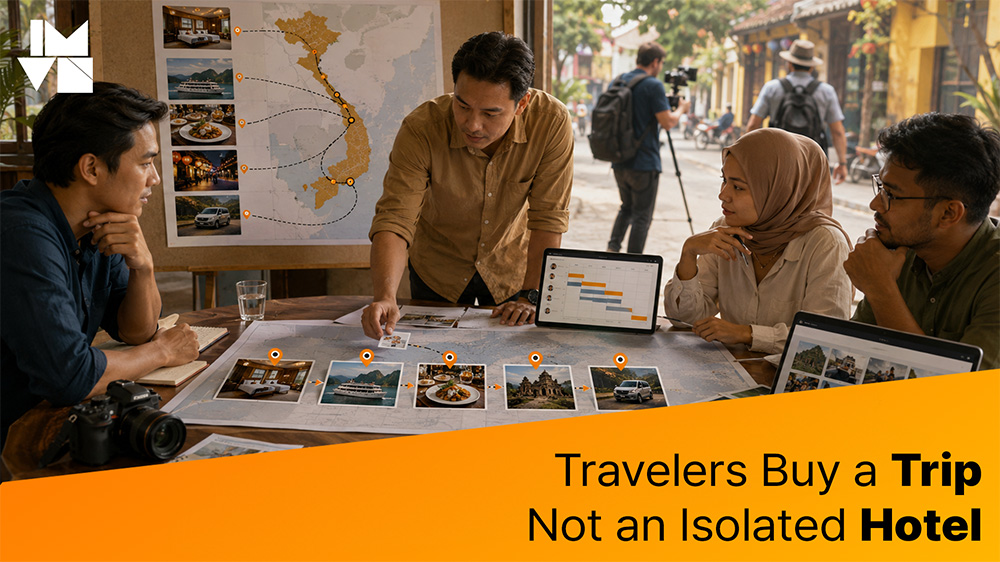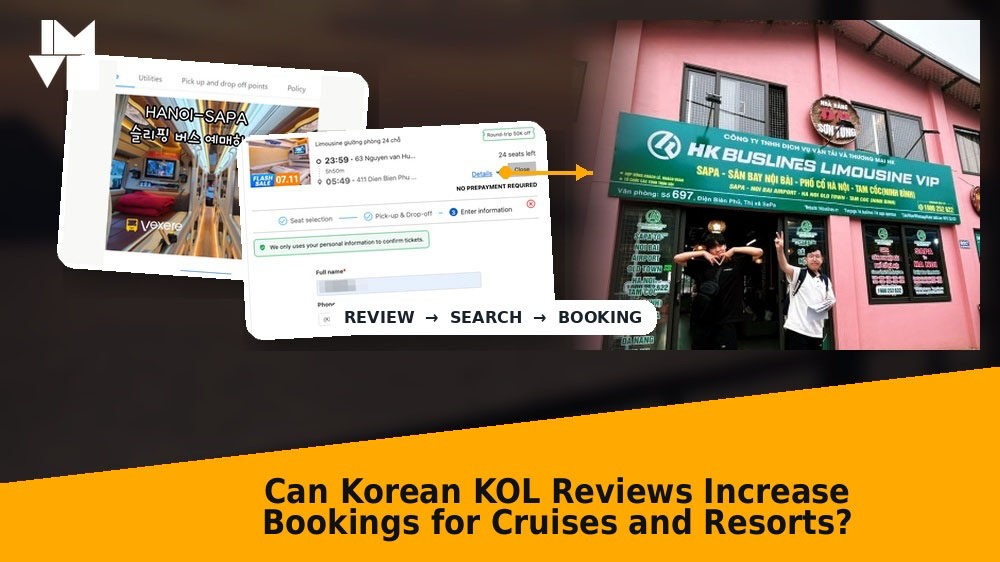



Sa Pa is being discussed actively on Korean social media, and Korean travelers search for it as part of a wider Hanoi journey. But there is a harder question: if Sa Pa is already attractive enough to appear on Naver, in Korean media, and on Korean entertainment programs, why is the move from curiosity to booking still not proportional? The answer is not about the image. It is about certainty.
For the wider search context, the article on promoting the Hanoi – Ha Long – Sa Pa itinerary explains why travelers look for a complete journey rather than separate services.
Being interested is one thing. Booking is another.
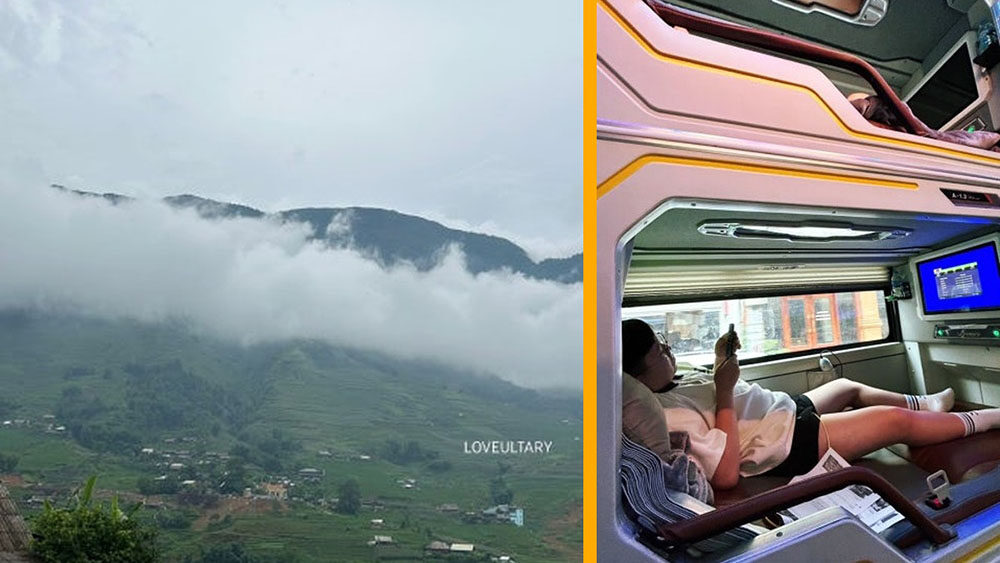
Sa Pa has everything it needs to spark curiosity: a cool climate that is unusual in Vietnam, rice terraces, cloud seas, Fansipan, and ethnic minority culture. But research on Korean traveler behavior shows a clear gap between “this looks beautiful” and “I am ready to book.” Travelers still place heavy weight on safety, certainty around the itinerary, transport from Hanoi, service quality, language support, and suitability for families or older travelers. In other words, Sa Pa does not lack reasons to like it. It lacks enough reasons to trust it.
This is not unique to Sa Pa. A Global Rescue survey of experienced international travelers found that 27% considered “access to reliable medical care” their biggest health concern when traveling abroad, ahead of concerns about food-related illness or injury. For a destination that is still relatively new to many travelers, with mountain roads and less consistent service than Da Nang or Nha Trang, Sa Pa falls directly into this area of perceived risk.
Familiar barriers that are still unresolved
Long journeys, motion sickness, rapidly changing weather, uneven service, and limited support for Korean guests are barriers that Sa Pa tourism businesses need to explain clearly. Missing information can amplify concern, but not every barrier is merely a perception. According to Vietnam Tourism, buses and shuttle vans from Hanoi to Sa Pa usually take around 5–6 hours. Content should specify the departure point, transport, route, and actual conditions rather than promise an unrealistically short journey. Detailed Korean-language information can help close this gap.
Market opportunity: Detailed Korean-language content about Sa Pa is still scarce
If Sa Pa is viewed as a market problem rather than an image problem, the picture becomes much clearer. Sa Pa is in a “fresh” stage: it is being discussed actively in Korean media and social channels, but the volume of genuinely detailed Korean-language content that answers practical travel questions is still thin compared with Da Nang or Nha Trang. On YouTube in particular, Korean-language Sa Pa travel content is still scarce. There are very few real vlogs showing the Hanoi – Sa Pa journey, a Fansipan visit, or a stay at a specific hotel in Korean.
This gap will not remain open forever. Trends within Korea show video gaining influence quickly. According to Consumer Insight’s “travel behavior and planning” survey, cited by Hankyung, blogs remain the most-used source for overseas destinations at 35% but are declining, while YouTube usage has risen 89% since 2020 and now sits only one percentage point behind blogs at 34%. When people make specific choices about restaurants and accommodation, YouTube usage has more than doubled since 2020. In other words, the window is open, but it will narrow as more brands recognize the gap. Brands that provide useful Korean-language content early can gain an advantage in traffic and search visibility on Naver and YouTube before competition becomes denser, an advantage that can be difficult to reverse once competitors begin publishing too.
The challenge: The right type of content, not simply more content
This opportunity comes with a practical challenge: not every type of content fills the gap. Korean travelers tend to research Sa Pa in a fairly clear sequence, from visual awareness, to checking whether the trip is feasible, to comparing specific services. Generic promotional content with attractive images but little operational detail does not solve the middle stage, when travelers need to know how to get there from Hanoi, how many nights to stay, what food suits them, and whether services are friendly to Korean guests. The Korean Co-op Trip is designed to provide content that supports each of these research stages.
How the Korean Co-op Trip addresses these gaps
- Add detailed reviews of the exact type Korean travelers are searching for. Instead of a generic promotional post, a Korean creator documents the real experience: how long it takes to travel from Hanoi, what the weather is actually like, how a specific hotel feels, and whether the food suits Korean tastes. This is the information travelers need once curiosity has passed and they begin checking whether the trip is practical.
- Appear at the moment travelers have real intent to visit Sa Pa, on the platforms they actually use for research. Publishing on Naver Blog and YouTube, the two channels Korean travelers use most when researching and deciding, helps a brand appear while people are still planning rather than after they have already chosen another service. Because Korean-language Sa Pa content on YouTube is still relatively scarce, there is an opportunity to gain early visibility before competition increases.
- Make Sa Pa services feel more familiar and accessible to Korean travelers. When a Korean creator appears in the actual experience, speaks Korean, and reacts honestly to the food or accommodation, the brand stops being an unfamiliar name and becomes a place where “a Korean traveler has already been here and it worked.” This is the fastest way to reduce the feeling of low Korean readiness without having to change the entire operation in the short term.
- Introduce destinations, photo spots, food, and services in a way that matches how Korean travelers actually travel. Instead of leaving travelers to guess whether a place fits Korean preferences, creator content answers the question directly: which angle is worth photographing, which dishes are worth trying, and which services feel reliable. This is the layer of information Korean travelers are used to relying on before making a decision, and Sa Pa still lacks it at sufficient scale.
- Review the full Hanoi – Sa Pa journey in the same way Korean travelers search for it. Because they do not research Sa Pa as an isolated destination but as part of a complete trip, three creators in the Co-op Trip can cover different parts of the journey instead of producing three disconnected posts. A participating brand is not merely mentioned; it is placed in the right position inside the complete story travelers are researching.
The window is open, but it will not stay open forever
Sa Pa is at a point where strong Korean-language content can create long-term advantages in search visibility and traffic simply because few brands are doing it well yet. But first-mover advantage only matters if brands act early. As the volume of Korean-language Sa Pa content increases, the cost of earning the same search position will become much higher. The Korean Co-op Trip is one way for brands to participate during this “fresh” stage with the type of content Korean travelers are still missing.
The article on whether Korean KOL reviews help increase bookings examines how firsthand content supports that final check and how businesses can assess its contribution.
Planning a similar creator campaign?
Share your market, category and objective. IMVN will respond with practical recommendations for the next step.
Request campaign advice →