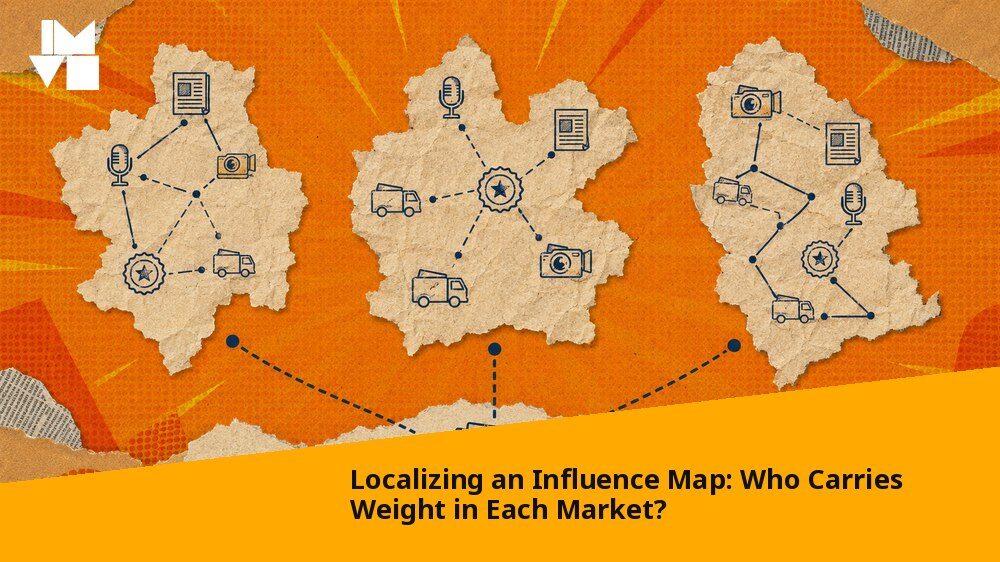
The same industry may place weight on different voices in Bangkok, Jakarta and Manila. The difference is not only the platform. Distribution structure, professional language, exhibitions, associations, trade media and internal information-sharing all shape influence.
Localising an influence map means keeping the business question fixed, then researching who is trusted, where proof travels and which relationships need disclosure in each market.
Keep the conceptual spine and replace market data
The conceptual spine covers buyer roles, the decision, claims, proof and KPIs. Rebuild the names, communities, platforms, language, formats, event calendar, distributor landscape and local legal or employer constraints.
Translating the copy and changing local hashtags can still leave a brand speaking through a node that carries little weight with the new buying group.
Read the industry structure before finding creators
A category with concentrated distribution may revolve around trainers, dealer principals and sales specialists. An operations-led category may trust technicians, operators or specialist streamers. A regulated category is more likely to require experts, trade publishers and carefully sourced claims than entertainment-led content.
The ASEAN resource on MSME development is a starting point for understanding the regional business ecosystem, not evidence for an individual buyer’s behaviour. In-market interviews and category checks are still required.
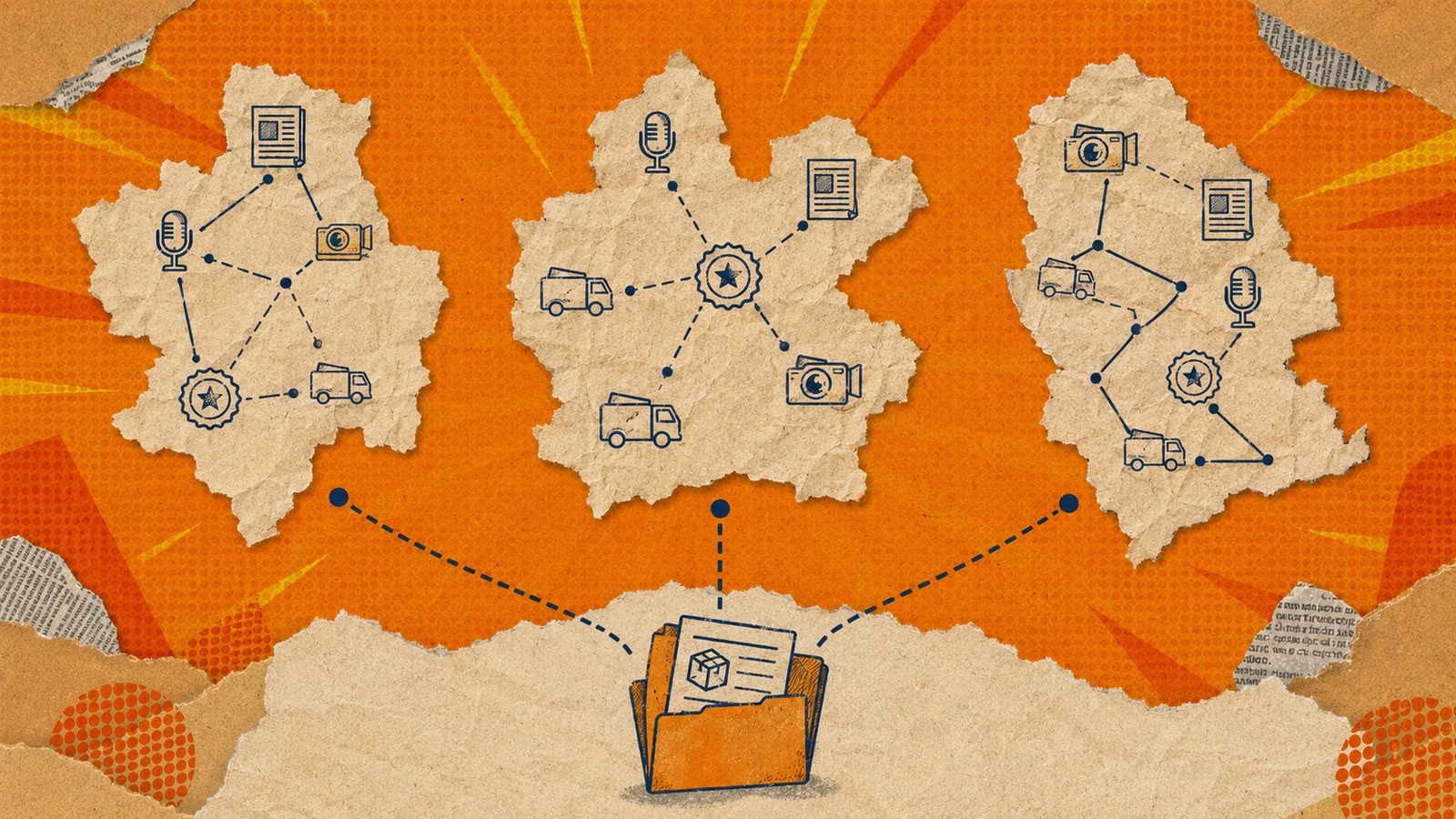
A market-cooking matrix for the influence map
Use the matrix to separate fresh research from reusable inputs. Each field should change a shortlist, brief or asset plan rather than produce a general observation that one market prefers video and another prefers experts.
Local data matters only when the team knows which campaign decision it changes.
| Dimension | Keep shared | Research again | Output decision |
|---|---|---|---|
| Buying group | Functional roles | Seniority and approval rights | Primary audience |
| Industry voice | Authority criteria | People, organisations, relationships | Longlist |
| Channel | Content purpose | Platforms, events, media | Distribution |
| Proof | Product facts | Cases, examples, allowed claims | Localised assets |
| Operations | Approval standard | Contract, disclosure, payment | Timeline and owner |
Verify weight through professional traces
Look for people invited to speak repeatedly, cited by trade media, responsible for dealer training, capable of answering difficult category questions, and shared across industry communities. Quality comments, the roles of participants and presence across several networks are more useful than total engagement alone.
A well-known industry streamer may fit when the audience includes operators, installers, buyers or resellers. If most views come from entertainment outside the category, keep their role to awareness.
Pilot the same question without copying the format
To compare markets, keep one buyer question and one fact set while local teams choose the speaker and format. One market may use a trade-show interview; another may use a technical live stream or contributed article. Compare qualified questions and commercial responses, not raw views across different formats.
Store the original industry influence map with assumptions and source dates so the team can distinguish verified nodes from hypotheses.
IMVN’s role in local research
IMVN can take one market brief and coordinate desk research, interviews, longlisting and vetting in Vietnam, Thailand, the Philippines and Indonesia. For other markets, the delivery entity and contracting structure need confirmation before specific claims enter a proposal.
A useful handoff includes sources, confidence level, selection rationale, risk notes and a pilot recommendation. A name list without a checking method becomes outdated quickly and is difficult to defend to C-level leaders or Procurement.
Planning a similar creator campaign?
Share your market, category and objective. IMVN will respond with practical recommendations for the next step.
Request campaign advice →