

In one Thailand creator project, IMVN worked with a Vietnamese client preparing to introduce a product into the Thai market. The client provided its existing testing certificate and regulatory file at the start.
From a marketing perspective, the project appeared well advanced: product documents were available, creators could be sourced and content could be planned. Approval in Vietnam or another market, however, did not replace Thailand’s requirements. Creator availability could not compensate for a product that the local authority had not approved.
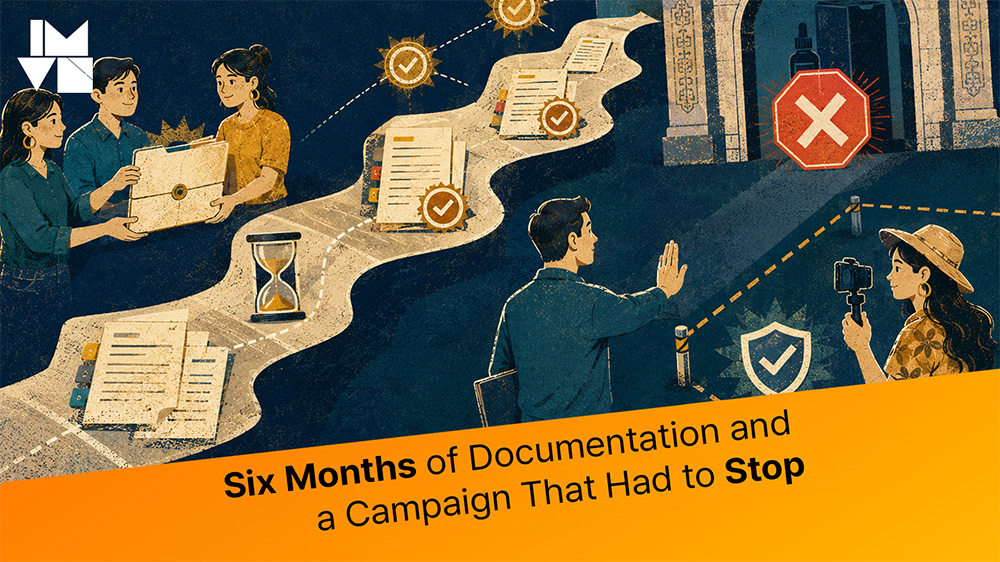
Nearly six months of waiting was not empty time in the schedule
Preparing and submitting the Thai file took almost six months. During that period, pressure to “hold the creator first” was understandable, especially when the brand already had a commercial plan, budget and launch window.
An early booking involved more than the risk of losing a deposit or moving a date. If a creator produced and published content before the application was resolved, that person would appear publicly with a product that had not been approved in the market. Product risk would move directly into the creator’s and brand’s reputation.
The stop condition came from the product, not the creator
The local authority eventually declined the application because the product did not meet the applicable Thai standard. Based on the project information recorded by IMVN, the issue did not come from the creator, script or quality of the planned content.
A creator can follow the brief correctly and the campaign may still need to stop. In healthcare, product readiness comes before communication readiness.
This is less common in ordinary campaigns. A fashion brief may absorb a color or message change. A regulated product cannot solve a documentation gap with a more cautious caption.
“FDA approved” needs a country, document type and scope
In commercial discussions, “the product has FDA approval” is often treated as a general clearance. The team needs to confirm which country’s authority issued the document, whether it applies to the product or facility, whether it covers circulation or advertising, and whether the registered name and version match the product planned for the campaign.
- Which authority issued the document, and when does it expire?
- Do the product name, ingredients, function and registered entity match the file?
- Does the document cover circulation, import, advertising or another purpose?
- Will the authority or authorized specialist in the target market accept it?
- Do the proposed creator messages remain within the confirmed scope?
IMVN does not replace a lawyer or product-registration specialist. Its operating role is to make these questions visible before creator schedules, production and release become committed costs.
A conditional booking is safer than a booking based on hope
Not every project must wait for every document before beginning creator discussions. A brand can research the market, define creator profiles, check planning rates and prepare content directions. The commitment gates still need to be separated clearly.
| Work stage | Possible while the file is pending | Should be confirmed after approval |
|---|---|---|
| Creator research | Yes | |
| Preliminary shortlist | Yes | |
| Planning-rate discussion | Yes, with conditions stated | |
| Paid schedule hold | Requires a risk decision | Use explicit conditions |
| Content production | Do not assume | Yes |
| Content release | No | Yes |
The contract and booking confirmation should state what happens if documents are delayed, require supplementation or are not approved. A creator should not learn that the campaign stopped through a message sent shortly before the shoot.
Three protection gates from this project
- Product gate: classify the product and confirm readiness in the actual campaign market.
- Content gate: turn only supported claims into the brief; do not make the creator expand them independently.
- Release gate: require written confirmation from an authorized person before the content goes live.
These gates protect more than the brand. They stop a local creator from becoming the public face of a decision that the creator cannot verify from the documents provided.
How IMVN starts a similar project
When IMVN receives a healthcare creator request for another market, the first question should not be how many suitable creators are available. The team should first identify the product category, the party responsible for the target-market file, and the gate that allows the project to move from research to commitment.
Map the cost at risk at each commitment point
| Commitment point | Potential cost | Creator risk |
|---|---|---|
| Research and shortlist only | Internal working hours | Low; the creator is not publicly attached |
| Paid schedule hold | Hold fee and opportunity cost | The creator blocks time for a project that may not proceed |
| Sample shipment and production | Product, travel, crew and revisions | The creator has made an asset linked to the product |
| Release | Media, usage rights and issue handling | The creator’s reputation is publicly exposed |
This map helps the parties agree how much money may move before the file is complete. When review may take months, limiting spend to research and shortlisting is usually safer than locking the full production schedule.
The go/no-go record IMVN should require
- The product and version under review.
- The market, confirming authority or specialist, and document scope.
- The work gate being released: schedule hold, production or posting.
- Outstanding conditions and their owner.
- The final decision, effective date and affected bookings.
The record can be short. Its purpose is to stop “it should be fine” from becoming a green light for five separate workstreams.
The operating lesson is built into IMVN’s multi-market documentation checklist and regional-local approval workflow.
This anonymized case reflects one project’s operating experience and is not legal advice for every product. Requirements vary by category, claim, market and date. The immediate rule is practical: do not turn a creator’s schedule into a countdown for a file that may not be approved.
Planning a similar creator campaign?
Share your market, category and objective. IMVN will respond with practical recommendations for the next step.
Request campaign advice →