

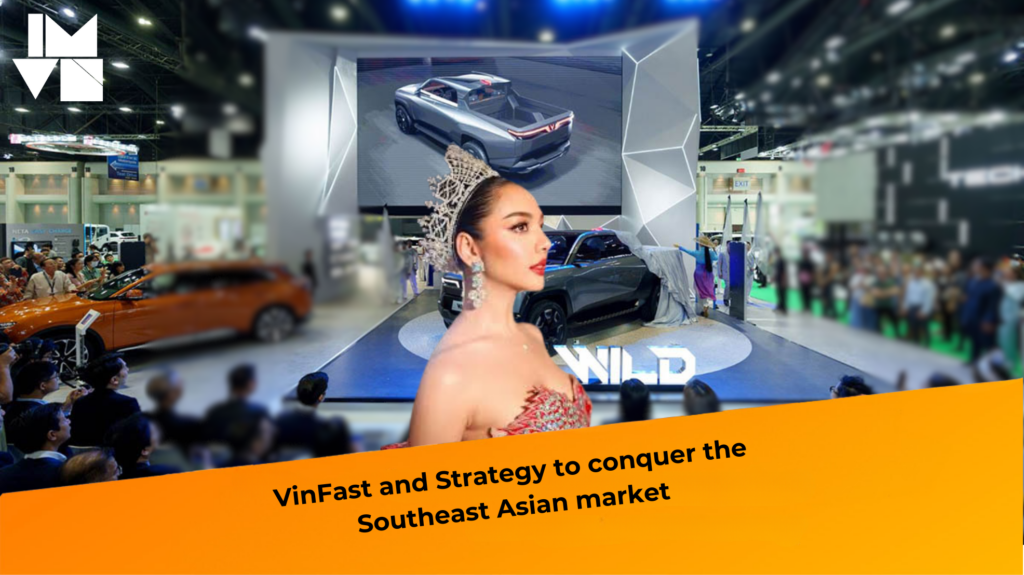
Automotive exhibitions rarely suffer from a lack of products. They suffer from a lack of qualified attention. In a hall filled with vehicles, lighting, screens and specifications, brands need a human trigger that makes visitors stop, enter the booth and care.

Beauty queens, models, celebrities and lifestyle creators have long been associated with cars. The old formula of placing an attractive woman next to a vehicle, however, is increasingly ineffective and risky. The modern task is to make people part of the brand experience rather than decorative scenery.
Why automotive brands need human triggers
Car buyers process design, price, technology, safety, performance, financing and after-sales service. A relevant influencer creates an emotional and familiar entry point before guiding audiences into deeper product information.
Automotive interest often skews male, but purchase decisions are not made by men alone. Family, partners, status, lifestyle and practical use shape the final choice. Creative work should therefore move from visual attraction toward safety, convenience, technology and real-life ownership.
Different creators, different roles
Event models deliver visual impact. Beauty queens and celebrities attract media. Automotive reviewers build technical trust. Lifestyle creators help audiences imagine the vehicle in daily life. Each belongs to a different stage of the funnel.
- Attention: create a moment strong enough to attract visitors and media.
- Interpretation: translate design and technology into accessible language.
- Trust: use specialists and credible reviewers to reduce uncertainty.
- Conversion: move audiences toward test drives, enquiries and dealer visits.
The risk of relying on beauty alone
High engagement around a public figure does not guarantee brand recall. If the creator has no product relevance, the conversation may remain entirely about the person. Overly sexualised execution can also make the brand appear outdated and reduce women to props.
Brands should control three things: fit between talent and product, a script linked to vehicle experience, and measurement of what audiences do after viewing.
VinFast and market entry across Asia
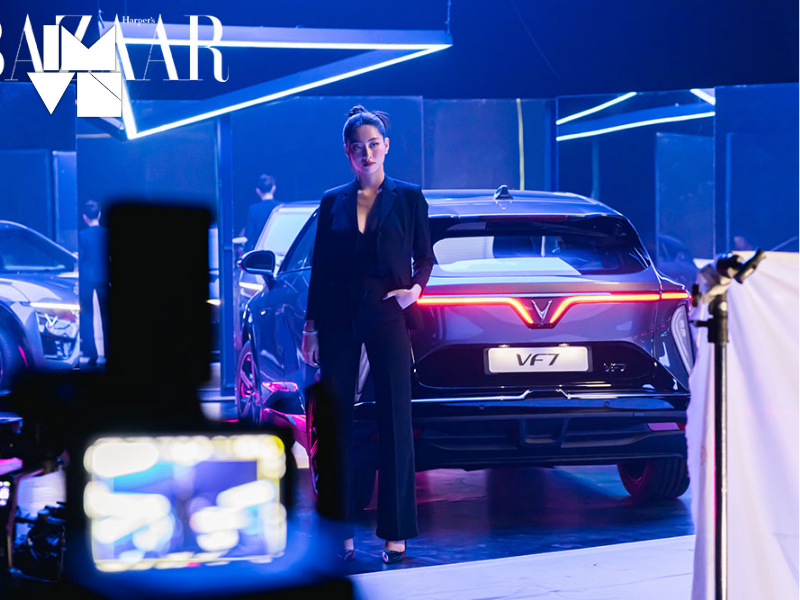
VinFast carries a distinctive story: a Vietnamese automotive company expanding across Asia. That story becomes stronger when Vietnamese talent is paired with local creators who understand the host market.
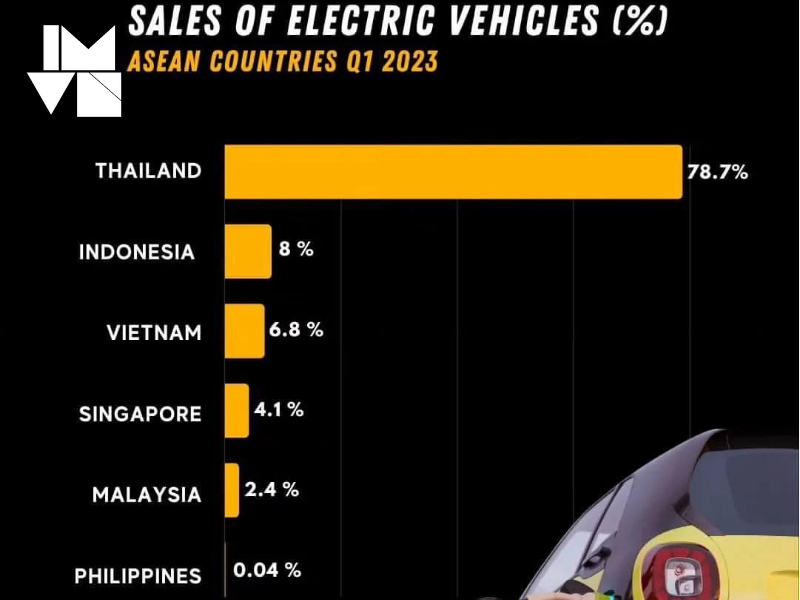
In Thailand, visual spectacle, entertainment culture and celebrity familiarity can create rapid attention. In Indonesia, community, family use, practicality and EV adoption require a different narrative. For international audiences, the focus can shift toward Asian competition, technology and the localisation discipline required for market entry.
A practical framework
- Define the trigger: booth traffic, media coverage, test drives or leads.
- Use a portfolio of talent instead of depending on one face.
- Design content that moves from personality to product.
- Localise by market rather than translating one universal script.
- Measure attention, brand recall, product interest and action.
Conclusion
Influencers in the automotive industry should not be treated as decoration beside a car. They can help brands win attention, explain complex products and build trust in new markets. Used poorly, the car becomes an expensive background for someone else’s fame.
Planning a similar creator campaign?
Share your market, category and objective. IMVN will respond with practical recommendations for the next step.
Request campaign advice →