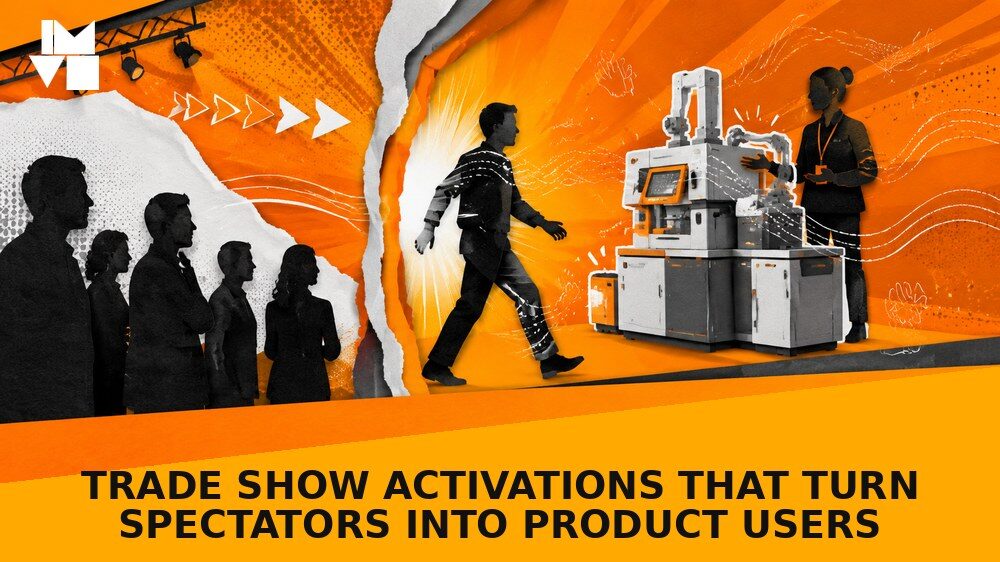
A crowded trade show stage may produce strong photos without helping visitors understand the product. An activation is worth funding when the creator moves spectators into an action tied directly to how the product works, feels or solves a problem.
This article explains how creators can deepen the event experience within the international trade show influencer marketing series. The goal is to help marketers attract the right people, create observable visitor actions and pass useful signals to sales.
IMVN works on creator strategy, the brief, content and cross-border coordination. The stage, equipment, venue and safety still require the event agency or event operator; those services are not the main reason a brand hires an influencer marketing agency.
A crowded stage can produce attractive footage without helping anyone understand the product. An activation deserves budget when it moves a spectator into an action connected to how the product works, feels or solves a problem.
This is the on-floor experience layer of the international trade show operating system. The aim is a sequence of observable behaviours that can be recorded and handed to sales.
The creator should produce product actions, not only a crowd
The right creator helps visitors understand what they are being invited to do and why that action relates to the product. An entertainment creator may stop more people; an industry creator may attract a smaller group but prompt deeper questions. Marketers need the form of influence that fits the desired behaviour, not the largest number of people around the stage.
A crowd stops for sound or a host. A participant performs an action. A potential buyer reveals a need, role or intention to continue. Track the three groups separately and define each progression point, or everyone around the stage will be recorded as a lead.
Design the activation around product behaviour and the creator brief
The creator brief should state the primary action, what the team needs to observe and the limits on statements. The creator needs to know when to invite a trial, which question opens the experience, which criteria help visitors judge the product and when the expert should take over. An introduction and giveaway script alone does not use the creator’s real strength.
Ask what a buyer must do to understand the difference: hold, test, compare, assemble, control, inspect material or watch a specialist operate it. A game should lead into that behaviour. If visitors can win without encountering product value, the activity promotes the prize more than the brand.
Vehicles suit test drives or scenario simulations; equipment suits operation; mother-and-baby products require safe trials and advice; B2B ingredients may require a process demonstration. Define one primary action, its duration, entry conditions, required data and the host’s opening question.
Define the roles of the creator, expert, product team and sales
One person may be both a creator and a specialist, but the brief should not assume it. The creator owns the content flow and interaction; the expert owns specialist knowledge; the product team protects accurate operation and information; sales receives visitors with deeper needs. The pre-show creator content and meeting schedule should make clear who will appear and what value each person brings.
The host invites and guides, the expert explains, the product specialist protects correct operation and sales receives people with deeper needs. Before putting an influential person into the programme, confirm the target audience and promised booth action through the guide to building demand and appointments before the trade show.
Connect the on-floor experience with creator content that can travel
IMVN should agree from the start which content the creator posts on their own channel, which material the brand may reuse, the duration and territory, and whether editing or paid media is allowed. An activation may create many attractive images but still leave the brand without usable post-show content when rights are unclear.
When the activity is livestreamed, the creator must connect on-floor and remote viewers without interrupting the experience. The visitor trying the product needs guidance; the remote viewer needs to see the action, hear the question and know how to leave a signal for the next step.
The stage gives people a reason to stop, the experience zone lets them perform the product behaviour, and online content extends the explanation. All three should use the same information and next step. For streamed activities, use the model for aligning two buyer audiences on the trade show floor.
A reward should relate to trying, learning or completing a meaningful action. Early access, consultation, sample packs or specialist material may attract better participants than a generic gift. Keep eligibility short and do not collect more personal data than the follow-up requires.
Use visitor reactions to identify depth of interest
The signal source matters as well. A person who arrives after watching creator content, a person invited at random by the host and a visitor who actively requests a demonstration show different levels of intent. Source data helps marketers see which creator attracted the right audience and which content produced action rather than attention alone.
Record the step completed, question asked, hesitation point and what the visitor wants to try next. A quick coded form helps staff capture data during a rush, with fuller notes added for priority conversations.
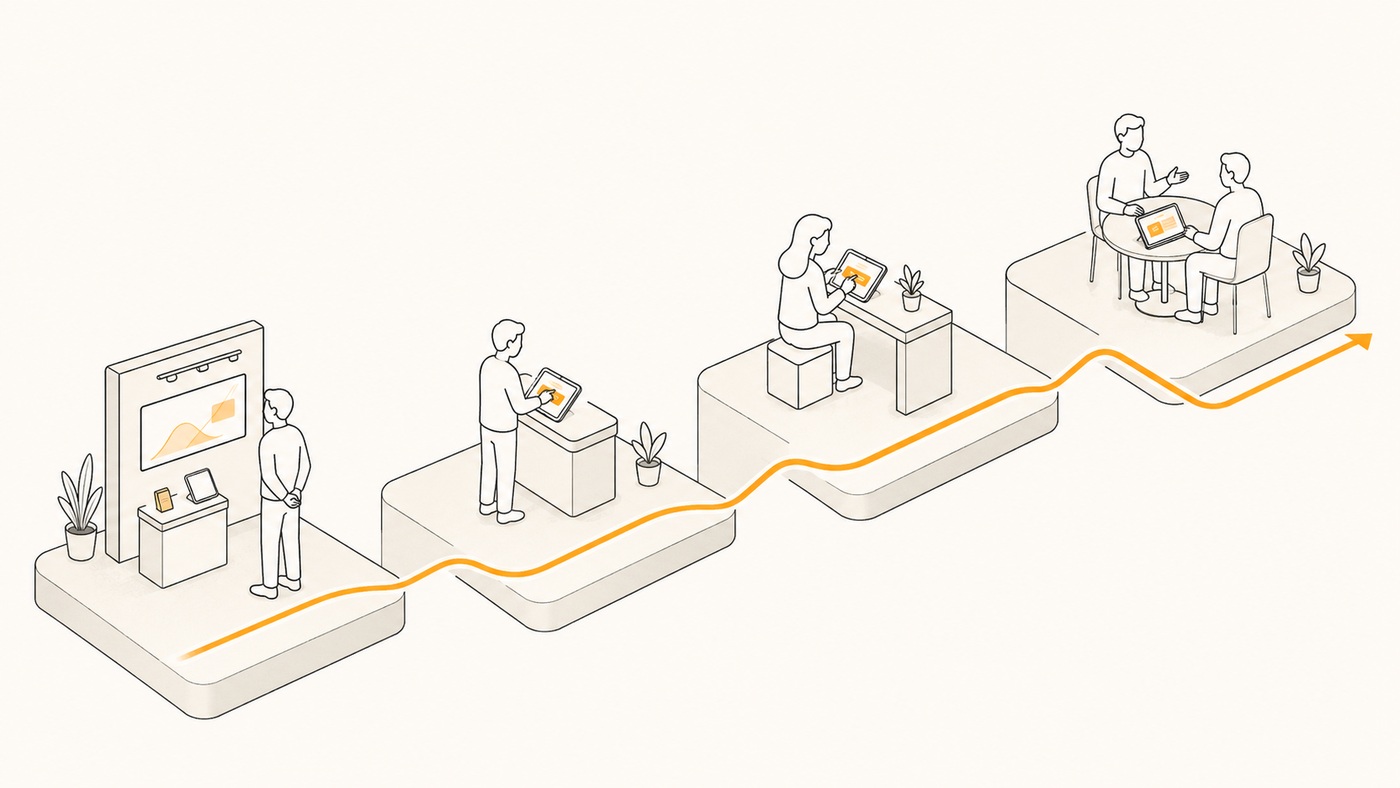
Strong signals include a deeper demo request, commercial question, sample request, colleague introduction or meeting agreement. Weak signals include filming, collecting a prize or joining only after being called up. Sales needs the signal level and context, not an unqualified phone list.
Test the activation before the creator goes on stage
The rehearsal should include someone unfamiliar with the product, the creator, expert, product team and the person receiving the data. Check whether the visitor understands the invitation, the action is safe, the creator has enough information and every question has a destination. The event agency tests the stage and equipment; IMVN tests the creator flow, content, usage rights and signal handoff.
Avoid unrelated games, sound that blocks consultation, overlong performances, prizes that attract the wrong group, unapproved claims from the host and data collection without follow-up. If the activity cannot state what the visitor learns and who handles the next step, reduce or remove it.
Test the activation with three people who do not know the product and observe what they understand after each step. IMVN can select and book the creator or expert, build the activation brief, adapt the hosting approach, agree content usage rights and connect experience signals with sales. The event agency remains responsible for the stage, equipment and general on-site operations.
A useful activation lets the company observe how well visitors understand the product. Which feature do they choose, where do they pause, what do they ask before trying it and whose explanation do they need? Capture those reactions in a few simple fields so product and sales teams can use them after the event.
The reward should therefore encourage a meaningful product behaviour, not purchase attention at any cost. If someone completes the activity but still cannot explain what the product does or who it serves, the activation created noise rather than experience. A rehearsal with people unfamiliar with the product is the fastest way to expose that failure.
Planning a similar creator campaign?
Share your market, category and objective. IMVN will respond with practical recommendations for the next step.
Request campaign advice →